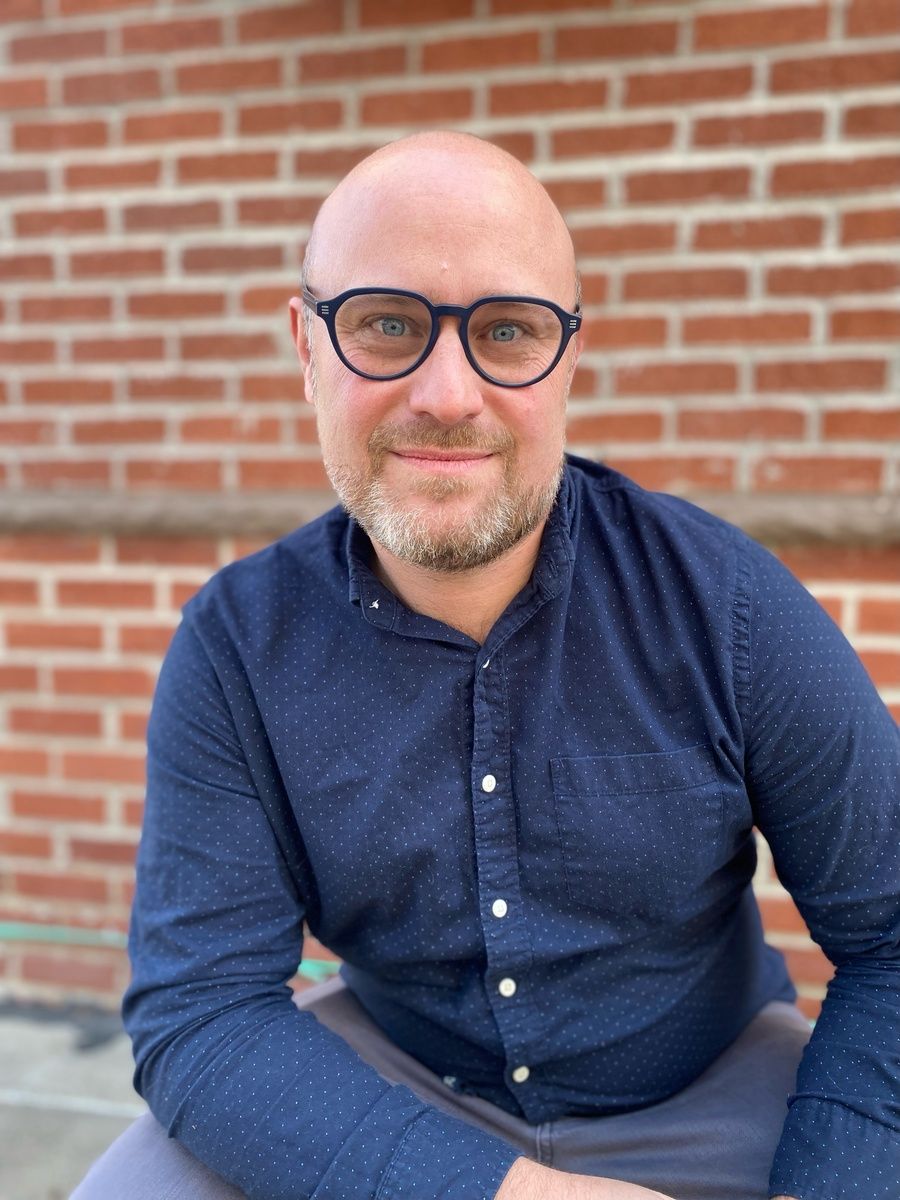

Source: NYCDCC
The last straw for David Caraballoso came the day his daughter was born. That morning, he arrived early at a concrete job to prepare the day’s work. He lined up materials, set the crew in motion, and left for the hospital — expecting that, at the very least, the hours he had already put in would count. Later, he learned his employer had docked him a full day’s pay.
“That was enough,” he said. “I couldn’t keep living like that.”
At the time, Caraballoso had spent more than a decade working in New York City’s non-union construction world — moving from job to job, chasing steady pay, and navigating a system that left workers vulnerable.
Raised in the Manhattan Valley neighborhood on the Upper West Side by a Cuban father and Puerto Rican mother, Caraballoso learned cabinetry from a neighborhood mentor. By 18, he was working full time alongside both of his brothers.
“I loved the craft,” he said. “But once I had to depend on it to make a living, I realized what the wages were — and that there were no benefits.”
Jobs were inconsistent. Safety standards varied widely. Health insurance wasn’t offered.
“You just made sure you didn’t get hurt,” he said. “And if you were sick, you came to work anyway.”
Many of the colleagues he worked alongside were undocumented — skilled workers, he said, but frequently exploited. On some projects, he said, workers were paid prevailing wage on paper but required to return a portion of their earnings in cash to their employer. The arrangement allowed contractors to appear compliant while pocketing the difference — and left workers paying taxes on money they never actually kept. Caraballoso later reported the practice to investigators. He also described job sites where training was minimal — environments, he said, where deadlines often took precedence over worker protection.
Much of New York City’s construction workforce still operates outside the union system — and many deal with this reality Caraballoso experienced: unstable jobs, inconsistent pay, and workplaces where safety and benefits are uncertain.
Eventually, the instability pushed him to consider leaving construction altogether.
He stepped away from the business to pursue another passion. Caraballoso enrolled in flight school in Florida, hoping to build a career in aviation. But the September 11 attacks reshaped that industry — and his plans along with it — sending him back to New York and back to construction.
Then, in 2004, union organizers approached him on a job site. It was the first step in what would become a complete shift in his career. “When I finally got into the union, I realized I had won the lottery,” he said.
The shift didn’t immediately transform his take-home pay, but it changed the structure of his life. Retirement contributions, medical coverage, and job protections replaced the uncertainty he had grown used to.
“The difference between non-union and union work is the difference between night and day,” he said. “Non-union, you’re working job to job. In the union, you’re building a career.”
Caraballoso became more involved in union life, taking training classes and eventually serving as a shop steward. The role put him back in conversation with non-union carpenters facing many of the same struggles he once experienced.
“I understand what they’re going through,” he said. “A lot of the time, they’re just trying to survive.”
He moved into organizing work and later into leadership positions, helping expand access to union jobs and negotiating contracts that shaped working conditions across the industry.
Today, Caraballoso serves as President of the New York City District Council of Carpenters — a role that places him at the center of decisions affecting thousands of workers.
“If I had stayed non-union, I wouldn’t be in construction today,” he said. “It was a dead-end job.”
Looking back, he sees his own journey as part of a broader struggle over what construction work in New York City can offer — and who gets to share in the stability it creates.
“Being non-union, I know what that life looks like,” he said. “If I can help someone walk a different path — one that leads to stability — that matters.”
For Caraballoso, who lives in an apartment he owns, just a few blocks from where he grew up, the goal isn’t just building towers or negotiating contracts. It’s making it possible for more workers to stay in the city they call home.
“It’s about being able to live here,” he said, “and build something that lasts.”