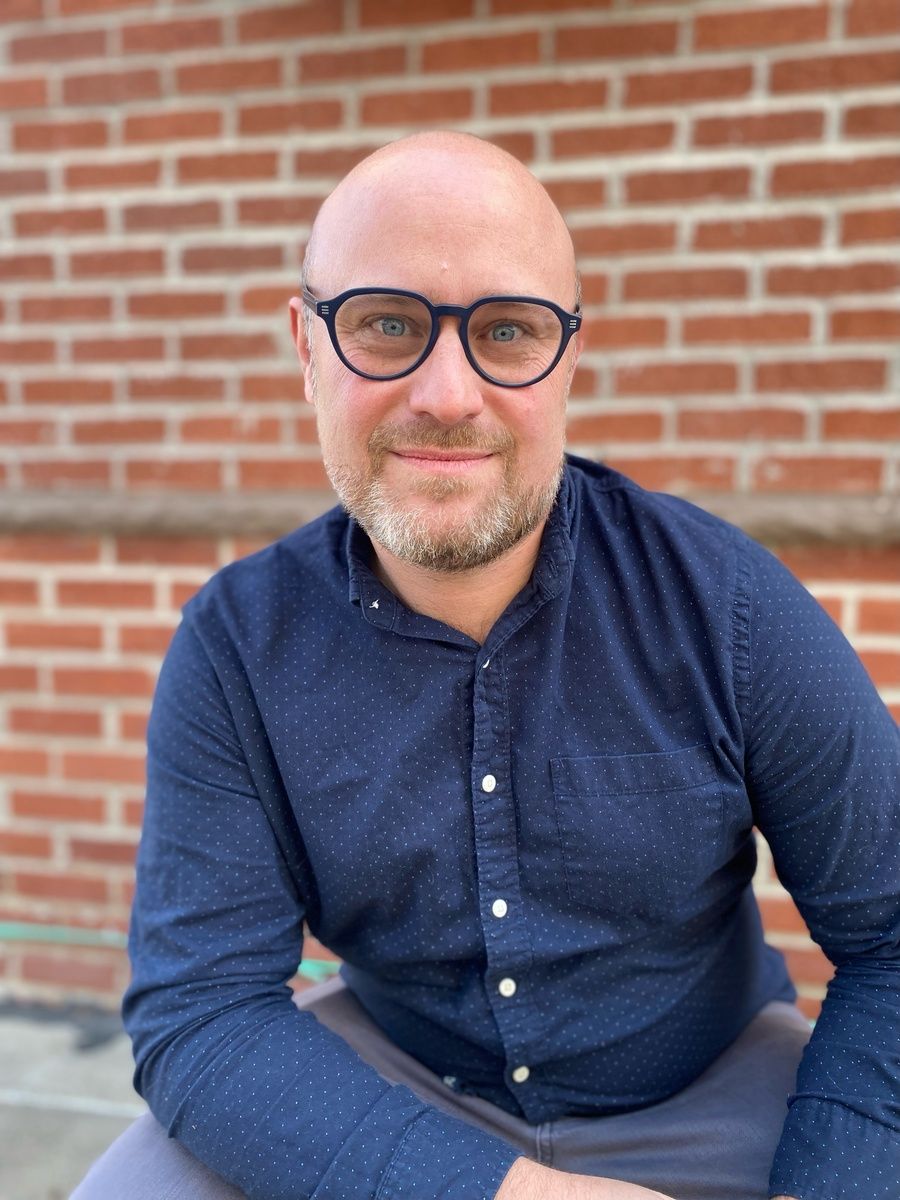

Source: Bob Rieche
On a clear day along the East River, the waterfront can feel like one of the city’s most carefully designed spaces—new esplanades stretching north and south, cyclists weaving past runners, glass towers catching the light off the water.
What you won’t see is the construction work happening directly beneath it all.
At any given time, teams of union divers working with specialized marine contractors are spread across New York’s waterways—repairing pilings, inspecting critical infrastructure, and reinforcing the foundations that support everything from waterfront parks to wastewater systems. The need for that work is constant.
“Everywhere infrastructure touches the water, it deteriorates faster,” said David Earp, president of Walker Diving. “So it has to be repaired.”
On the East Midtown Greenway, for example, divers from Celtic Marine Diving Services Corporation recently spent months rehabilitating structural supports below the walkway—cutting away damaged material, installing reinforcement, and pumping new concrete into place while life above continued uninterrupted.
“It’s all happening underneath you,” said Catherine McHugh-Russo, president and owner of the company.
The Work New Yorkers Never See
Commercial marine diving is one of the least visible trades in the construction industry—and one of the most essential. Much of the unionized commercial diving work in New York is performed by members of Dockbuilders and Timbermen Local 1556, a specialized local within the New York City District Council of Carpenters. Working as part of contractor teams on projects across the region, union divers repair and reinforce:
waterfront piers and bulkheads
wastewater and water supply systems
dams, intake structures, and marine terminals
Divers are also trained dockbuilders, performing many of the same rigging, welding, cutting, and construction tasks underwater that dockbuilders perform above ground.
That work extends across nearly every part of the city’s waterfront infrastructure—from port facilities and cruise terminals to drinking water intakes and wastewater discharge systems.
“They could be repairing a piling, cleaning it out, wrapping it, pumping in concrete or epoxy,” McHugh-Russo said. “They could be doing underwater welding. Everything is done to engineer specifications.”
A City Built on Timber—and Constant Repair
Much of New York’s waterfront infrastructure dates back more than a century.
“In the beginning, everything was built on timber pilings,” said Bob Rieche, a recently retired union diver with more than 30 years of experience. “They were basically driven into the riverbed—like sticking pencils into pudding—and everything was built on top of that.”
Over time, those structures degrade.
Today, divers working with contractors spend months—or even years—on single projects, stabilizing and rebuilding those foundations from below.
On a typical job, a two-person dive crew works underwater for hours at a time, supported by a larger topside team managing air supply, communication, and safety.
“There’s always a huge amount of support just to get one person down there,” Rieche said.
Building in Limited Visibility
Conditions vary dramatically depending on the site.
At Kensico Dam, part of the city’s drinking water system, divers can descend more than 100 feet in clear water, with cameras transmitting footage back to engineers on the surface.
In the city’s rivers, visibility can be far more limited—especially in the Hudson, where sediment and currents can quickly cloud the water.
“The Hudson is a chocolate milk mud river,” Rieche said.
Even when conditions are clearer, divers often rely as much on experience and spatial awareness as on sight.
“I build it in my mind,” he said. “I can’t see the nut and bolt—but I know where it is and what I need to do.”
Divers cut away rotted timber, weld steel, and install structural reinforcements while contending with current, pressure, and limited visibility.
That isolation is part of what makes the work so demanding.
“The diver goes underwater and he’s by himself,” Earp said. “Often he can’t see the work—and he still has to perform it.”
Precision Work Under Pressure
Every aspect of the job requires careful planning. Crews coordinate around tides, currents, and heavy marine traffic. Some jobs are scheduled overnight to avoid ferry routes.
At deeper sites, divers must also manage pressure and decompression risks, with safety systems like hyperbaric chambers on standby.
Even familiar construction techniques become more complex underwater.
“If welding is tricky on land, we just made it a lot harder,” Rieche said.
Innovation Below the Surface
Some projects push the work even further.
Rieche recalls a job near Roosevelt Island where crews installed underwater turbines designed to generate power from the river’s currents.
“It was one of the stronger current areas in the city,” he said. “We had very short windows to work—it was extremely challenging.”
The team drilled into the riverbed, installed foundations, and set the turbines in place—all within tight tidal constraints.
“It was something new,” he said. “We were inventing tools, making procedures.”
Training for a Specialized Trade
Becoming a commercial diver requires extensive training, certification, and experience.
Many enter through commercial or military dive schools, followed by union training pathways, where programs help dockbuilders and other tradespeople develop the specialized skills required for underwater work.
“Dive school teaches you how to safely get to the work,” Earp said. “You learn how to actually do the work through experience and apprenticeship.”
Within the union system, those training programs play a critical role in preparing divers to work safely and effectively in high-risk environments.
“These guys are extremely talented individuals,” said Adam Harkin, vice president of the New York City District Council of Carpenters and a longtime member of Local 1556. “They’re highly trained, and then they’re performing those same construction skills underwater.”
Even with that preparation, the work demands a particular mindset.
“You’ve got to be comfortable being uncomfortable,” Rieche said.
Work That Holds the City Up
From waterfront parks to wastewater systems to critical water infrastructure, much of New York’s daily life depends on work that happens entirely out of sight.
“There are repairs happening in New York Harbor continuously,” Earp said.
Divers and contractors operate as part of tightly coordinated teams, where trust and communication are essential.
“You’re connected to the surface,” McHugh-Russo said. “You have to rely on that team.”
For Rieche, after decades in the field, the appeal hasn’t changed.
“It’s what we do,” he said. “It becomes work—but it’s unique work.”
New York may be built upward—but it’s held together and maintained from below.